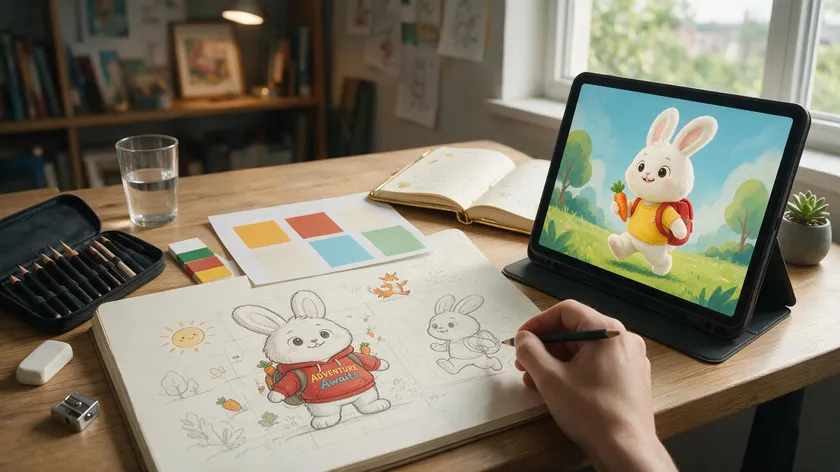
Some of the world’s most recognizable brands are known by a character, not just a name or symbol. This guide covers what a mascot logo is, real brand examples that shaped global markets, the different types you can choose from, and how to design and use one consistently across every channel.
Table of Contents
- What Is a Mascot Logo and Why It Matters
- How Mascot Logos Strengthen Brand Identity
- Famous Mascot Logos That Shaped Global Brands
- Who Uses Mascot Logos? From Gamers to Food Brands
- Types of Mascot Logos and How to Pick the Right One
- Designing Your Own Mascot Logo Step by Step
- Practical Considerations: Versatility, Channels, and Long-Term Commitment
- How to Integrate a Mascot Logo Into Your Brand Strategy
- Key Takeaways
- FAQs
What Is a Mascot Logo and Why It Matters
A mascot logo is an illustrated character—human, animal, mythical creature, or object—that doubles as both the logo and the brand mascot. Unlike a separate character used alongside a wordmark, a mascot logo means the character itself is the primary visual mark. It represents a business with a character that audiences remember.
Contrast this approach with minimalist wordmarks or abstract symbols. A mascot logo is just one entry in the broader landscape of different types of logos, alongside wordmarks, symbols, and abstract marks.
Those serve a purpose, but mascot logos are “living” designs that appear in ads, on packaging, across social media, and at live events. Mascots can be animals, people, or abstract figures, giving brands enormous creative freedom.
Mascot logos use illustrated characters to represent a brand identity, and they humanize brands and connect emotionally with audiences in ways static marks simply cannot. They add personality, humor, and warmth to what might otherwise feel like a faceless company.
Commercial mascots have existed since the late 19th century—the term “mascot” entered English around 1881 from the French “mascotte,” meaning lucky charm. Character-led branding surged from the 1920s through the 1980s, the golden age of cereal and snack mascots that defined generations of shoppers.
How Mascot Logos Strengthen Brand Identity
Brand identity is the sum of visuals, tone, and personality that make a company recognizable. A mascot logo can anchor that identity by giving your brand a face with real character and emotion.
In crowded spaces—supermarket aisles, app stores, and streaming platforms—mascots stand out. Spotting a familiar character across a shelf full of competitors helps customers locate your product in seconds. Effective mascots often become recognizable brand ambassadors over time, doing the job of instant recall that text alone struggles with.
Emotional connection drives loyalty. A smiling, friendly mascot builds trust and warmth with parents and children alike, while a bold, muscular character projects power and competence. Choose a mascot that connects emotionally with your audience, and you create a relationship that goes deeper than a transaction.
Storytelling is where mascots truly shine. A good mascot logo often has a distinct backstory that engages customers, and that narrative can evolve through seasonal outfits, catchphrases, or campaign arcs that keep people coming back.
Mascots can significantly boost brand identity and memorability by tying together packaging, TV spots, website banners, and event appearances into one unified message.
Research backs this up: in a recent study of 133 respondents, roughly 75.94% agreed fictional characters attract initial interest, and visual fixation rates on character-led packaging reached 93.4%.
Famous Mascot Logos That Shaped Global Brands
There are many logos featuring a mascot that have become super famous and belong to some of the best-known brands. These early 20th-century mascots paved the way for digital-era icons like Android’s Bugdroid (2007) and Reddit’s Snoo, showing the evolution from print illustrations to motion graphics and interactive design.
Michelin Man (Bibendum)
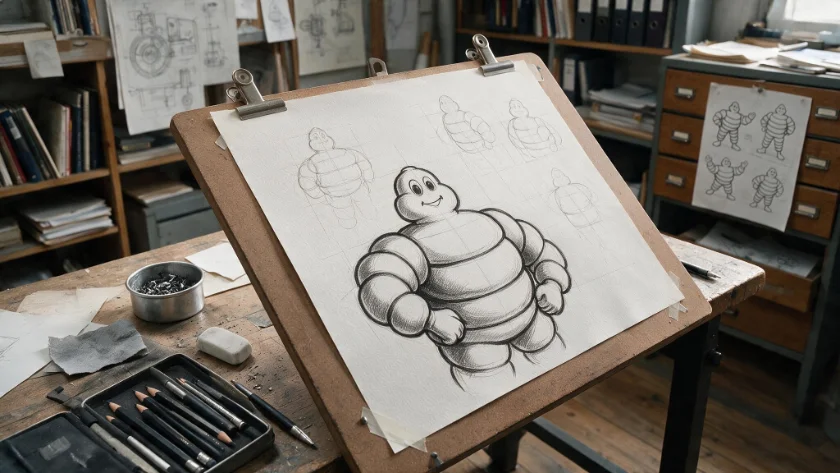
The Michelin Man, known as Bibendum, traces back to 1894. The idea originated at the Lyon Exhibition when founder Édouard Michelin joked that a stack of tires “with arms” would look like a man.
The character was officially created and first appeared in advertising in 1898, and over 120 years later, he still represents durability and trust for the company worldwide.
The Laughing Cow
The Laughing Cow debuted in 1921 as a red, smiling cow with cheese earrings on every box. That cheerful appearance signals fun, family-friendly dairy products and has remained consistent across dozens of countries for over a century.
Mickey Mouse
Mickey Mouse debuted in 1928 as Disney’s mascot, and the Walt Disney Company turned that single character into a global entertainment empire. Mickey represents imagination, optimism, and storytelling—a perfect example of how one mascot can define a brand across nearly a century.
Kool-Aid Man
The Kool-Aid Man burst onto the scene in 1954 as a giant, grinning glass pitcher shouting “Oh yeah!” through walls. That energetic, kid-focused personality made the brand unforgettable.
Poppin Fresh (The Pillsbury Doughboy)
Meanwhile, Poppin Fresh, the Pillsbury Doughboy, first appeared in 1965 with his chef hat and scarf, becoming a symbol of warmth and home baking for generations of families.
Mr. Peanut, Tony the Tiger, and Colonel Sanders
Beyond food, Mr. Peanut was created in 1916 by a 14-year-old boy in a design contest and has served as one of the most enduring brand characters in history. Tony the Tiger has represented Kellogg’s since 1951, and Colonel Sanders served as KFC’s living mascot for over a decade before his death in 1980, and the brand has continued using fictionalized versions of him in advertising ever since, proving mascots can outlive their inspiration.
Who Uses Mascot Logos? From Gamers to Food Brands
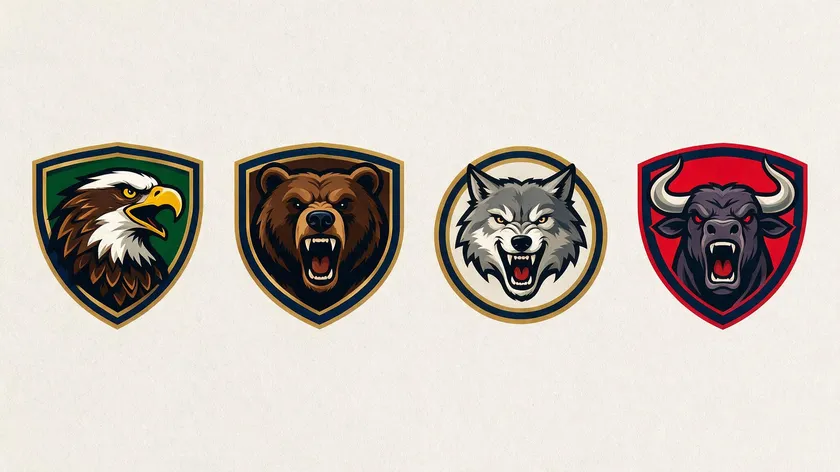
Mascot logos aren’t just for cereal boxes. Today they appear across gaming, food, tech, education, and entertainment—anywhere a brand wants to stand out in a crowd and build community.
Every competitive gamer and esports team needs an identity that fires up fans. Streamers and teams adopt fierce or quirky characters—hybrid animals, armored warriors, abstract creatures—as mascot logos that appear on jerseys, stickers, emotes, and streaming overlays.
Sports teams in the NFL, NBA, and college leagues use mascot logos on helmets, signage, and social media avatars. Characters like the Baltimore Orioles’ cartoon bird become local symbols that represent entire cities and rally fan bases.
Bands and entertainment acts—especially in rock and metal—use darker, mysterious mascots to reflect their sound and attract niche audiences at festivals and on posters. These guys know that a cool character on a T-shirt sells itself.
Mascot logos are effective for food brands, sports teams, and family-oriented businesses. Consumer-facing characters like Chester Cheetah and Mr. Peanut influence shopping preferences and make packaging instantly recognizable to children and adults alike.
In technology and software, playful mascots like Docker’s whale soften complex products, making them less intimidating for non-technical users. And in education, college mascot logos—Spartan warriors, knights, and Vikings—serve as emblems of school pride, widely used on uniforms, campus signage, and digital graphics.
Types of Mascot Logos and How to Pick the Right One
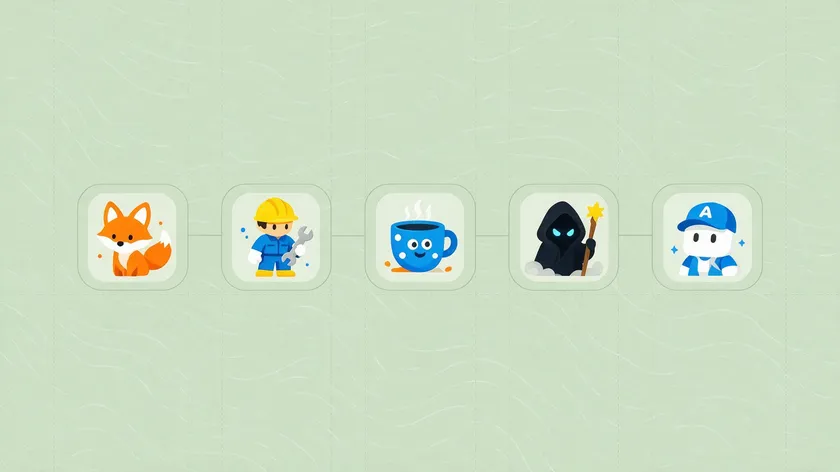
The “best” type depends on your product, target audience, and the tone you want to convey. Here’s how the main categories compare.
Animal Mascots
Animal mascots appeal to a wide range of audiences because animals carry universal symbolism—owls suggest wisdom, lions courage, and wolves teamwork. They work well in sports, conservation, outdoor brands, and anything aimed at children or families.
Human / Cartoon Mascots
Animated people mascots include famous characters like Wendy and Mr. Monopoly (Rich Uncle Pennybags). Human and cartoon guy mascots personify expertise, friendliness, or authority. They’re ideal when a brand wants a relatable person as the face of the company, someone who can communicate trust in a service or product.
Product Mascots
Product mascots bring inanimate objects to life, like Mr. Peanut or the Kool-Aid Man, where the drink pitcher literally becomes the character. These work best when you want the product itself to be the message.
Mysterious / Abstract Mascots
Mysterious figure mascots can create intrigue and interpretation—think dragons, masked ninjas, or abstract creatures used in gaming, music, or edgy consumer brands. The risk is clarity: your audience must still discover what you actually sell.
True-to-Name Mascots
True-to-name mascots represent business names as characters, like Taskrabbit’s rabbit. When the mascot mirrors the business name, recall gets a natural boost because name and image reinforce each other.
See a comparison here:
| Mascot Type | Best For | Example |
| Animal | Sports, conservation, family brands | Geico Gecko |
| Human / Cartoon | Service brands needing a relatable “face” | Mr. Monopoly |
| Product | Brands where the product itself is the star | Mr. Peanut, Kool-Aid Man |
| Mysterious / Abstract | Gaming, music, edgy consumer brands | Iron Maiden’s Eddie |
| True-to-Name | Brands wanting name-image recall | Taskrabbit |
To pick the right type, ask yourself: Who is my audience? What emotional meaning do I want to evoke? Will children or professionals see this first? What market am I competing in? Your answers will shape everything from species to expression.
Designing Your Own Mascot Logo Step by Step
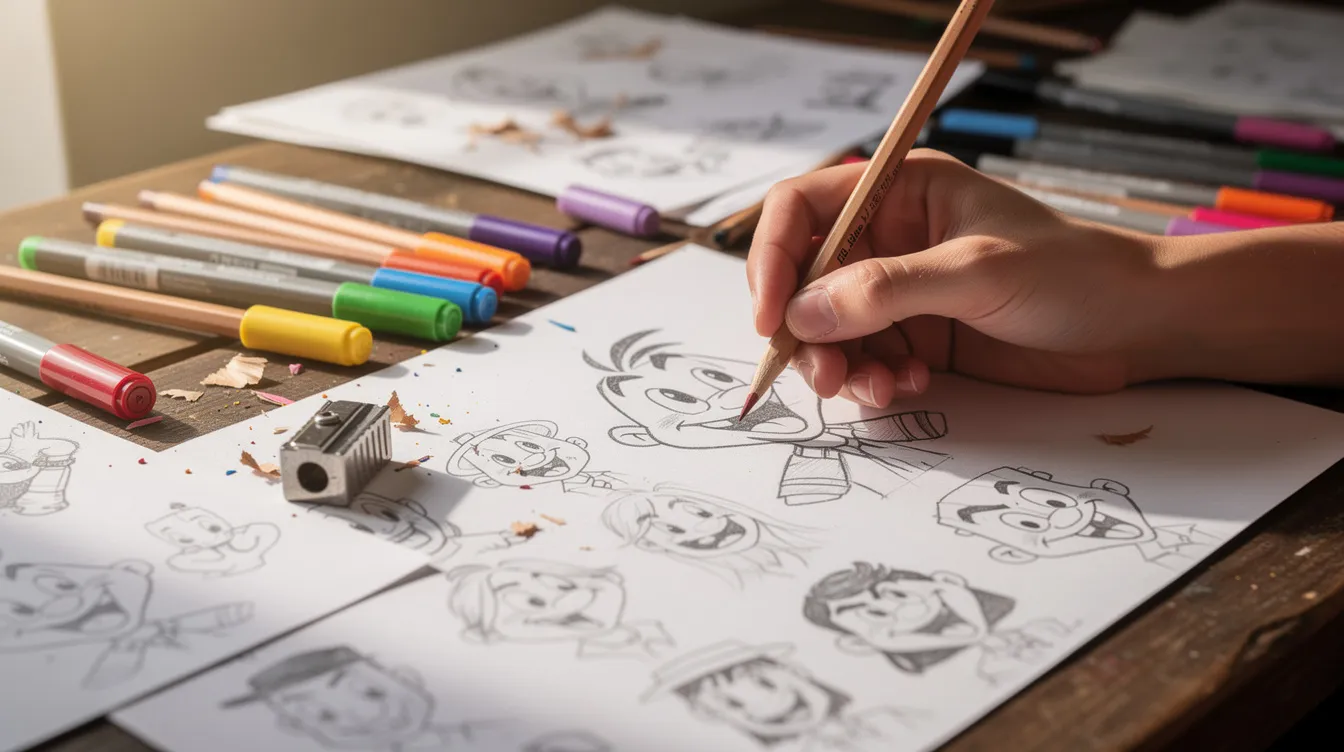
Creating your own mascot logo starts well before you open any design tool. Here’s a practical walkthrough, whether you’re working with a designer or using a logo maker.
Step 1: Brand Discovery
Start with brand discovery. Clarify your brand’s personality traits—playful, premium, and bold—along with core values, your business name story, and audience demographics. A good mascot logo should reflect your brand’s personality, so these traits directly inform the character’s appearance, expression, and clothing.
Step 2: Concept Sketching
Move to concept sketching. Try rough pencil sketches in multiple directions: an animal, a person, or a product comes to life. Test which direction best reflects your brand story and provides the most inspiration for future campaigns.
Step 3: Shape, Style, and Expression
Shape and style choices matter enormously. Distinct silhouettes in mascot logos enhance immediate recognition, so aim for a clear outline that reads at any scale. Using simple designs helps mascots remain easily recognizable whether on a billboard or a tiny favicon.
Expressive facial features in mascot logos communicate emotions and brand values, and mascot logos can feature exaggerated facial expressions for improved expressiveness and memorability.
Step 4: Color and Typography
Colors in mascot logos should align with brand identity and evoke specific emotions. Bright primaries suit kid-focused mascots, while muted or monochrome palettes fit serious or luxury sectors. Pair the mascot with a compatible wordmark—rounded fonts for friendly characters and angular fonts for techy or competitive brands.
Step 5: Test, Refine, and Iterate
Modern logo maker platforms can generate draft mascot logos quickly using templates, but truly distinctive characters require custom creation. For quality results, test designs with real users; refine expression and pose based on feedback; and iterate until the character works across every context—from your website header to a social avatar.
Practical Considerations: Versatility, Channels, and Long-Term Commitment
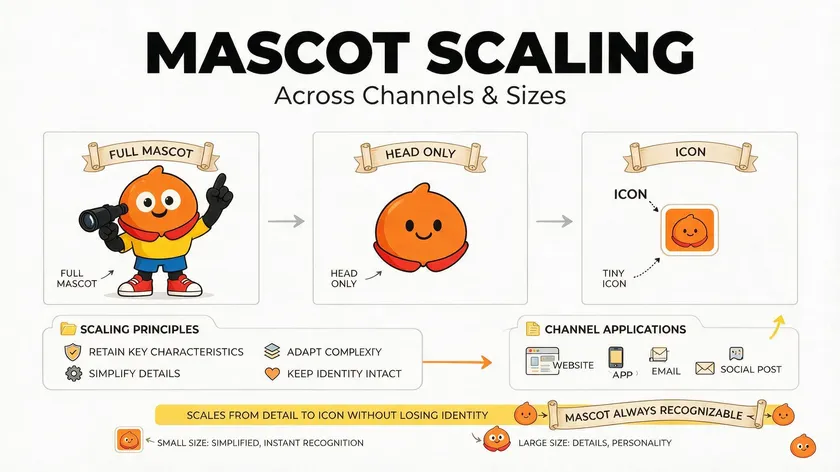
Even a brilliant design can fail without practical planning. Think of this as a reminder before you launch.
Versatility in mascot logos allows them to work across various media and formats. But detailed mascots may lose clarity at small sizes. Prepare simplified versions—a head-only mark, a silhouette—for favicons, social icons, and pen prints where space is limited.
Mascot logos should be versatile for various marketing channels. The same character can appear on packaging, a website, a billboard, and TikTok clips—but core shapes, colors, and proportions must stay consistent so your audience always recognizes it.
Cultural sensitivity matters for brands entering new markets. Symbols, animals, gestures, and colors carry different meanings globally. Test your mascot in key regions to avoid unintended offense.
Legal protection is non-negotiable. Trademark your character, secure full illustration rights, and avoid designs too close to existing icons. Mascot logos should be designed for longevity to remain relevant over time—changing a beloved face abruptly can alienate loyal customers, as brands that modernize mascots too fast often discover.
How to Integrate a Mascot Logo Into Your Brand Strategy
A mascot logo can enhance brand identity and personality, but only if you use it consistently. The real impact comes from strategic integration across the entire customer journey.
Align your brand voice with the mascot’s visual traits. If the character is smiling and playful, your copy, social captions, and customer service tone should match. That consistency is one of the most rewarding things about character-led branding—everything feels unified.
Use the mascot in recurring content: tutorials, reaction memes, seasonal greetings, and onboarding walkthroughs. Give it small story arcs over time. Mascot logos can evolve to represent a brand across advertising and customer interactions, keeping your community engaged season after season.
Merchandise and events amplify a mascot’s reach. T-shirts, plush toys, stickers, and event booths turn fans into walking advertisements. On digital platforms—YouTube, Twitch, and Instagram—optimize the mascot for profile photos, banners, and thumbnails so your appearance stays sharp.
Measure results with simple KPIs: engagement rates on mascot posts versus non-mascot posts, brand recall in surveys, and merch sales. Research suggests campaigns featuring mascots are 37% more likely to grow market share. Treat your mascot as a team member in every campaign—a brand ambassador that shows up wherever your customers are, not just a one-off design element.
Key Takeaways
- Mascot logos turn abstract brands into relatable characters, improving recall, emotional connection, and storytelling across channels.
- Choosing between animal, human, product, or mythical mascots depends on your audience, industry, and desired brand personality.
- Designing a successful mascot requires balancing creativity with practicality—clear shapes, scalable details, and a plan for free-flowing, long-term use.
- Audit your current brand identity, list core traits, and sketch two or three mascot directions before approaching a professional designer or a logo maker tool.
Now is the right time to introduce a mascot that can grow alongside your brand for the next decade. A character inspired by your values and shaped for your customers is one of the best investments in long-term recognition you can make.
Ready to get started? Create your own mascot logo with logo.app and bring your brand to life today.
FAQs
Here are answers to common questions not fully covered above—practical details to help you move forward with confidence.
Is a mascot logo right for every type of business?
Mascot logos work best for B2C brands, entertainment, education, and some tech companies where personality and approachability matter. Very formal or luxury B2B brands may prefer subtler branding. That said, even a professional service can use a restrained mascot to stand out—it depends on how you execute it.
How much does it typically cost to create a custom mascot logo?
Expect to invest $190–$500 for professional freelance work, while full branding packages with guidelines, multiple variations, and merchandise-ready files can run $500–$1,500 or more. Factors like complexity, usage rights, and the number of revisions all affect final cost.
Can I base my mascot on an existing character I like?
No. You must avoid copying or closely imitating protected characters like Mickey Mouse, Mario, or the Michelin Man. Work with an original design to stay legally safe and build something uniquely yours.
How long does it take to develop a strong mascot logo?
Timelines range from a few days with a logo maker to several weeks when doing proper discovery, sketching, and revisions with a professional designer. More complex projects involving animation or multi-channel rollouts can take a month or longer.
What file formats do I need for my mascot logo?
Secure vector files (SVG, AI, EPS) for scalability and raster formats (PNG, JPG) for web and social media. Always request transparent-background versions—they’re essential for overlaying your mascot on different colored backgrounds across your site and marketing materials.

